
Norman Broadbent Plc is a leading London quoted Professional Services firm offering a diversified portfolio of integrated Leadership Acquisition & Advisory Services (Board & Leadership Search, Senior Interim Management, Research & Insight, Leadership Consulting & Assessment, and executive level Talent Solutions)
Norman Broadbent Plc is incorporated and registered in England and Wales (Registration number 00318267) and its main countries of operation are the United Kingdom
The company, as a UK plc quoted on the AIM Market, is subject to the UK City Code on Takeovers and Mergers and does not have any securities admitted or traded on any other Exchanges or Trading Platforms.
The following information is disclosed for the purposes of AIM Rule 26 and was last updated on 21st May 2026.
For Shareholder information, regulatory news and share price please see here: Share Price, News & Alerts
For annual and interim reports, circulars, admission document and constitutional documents please see here: Company Documents
PLC Board
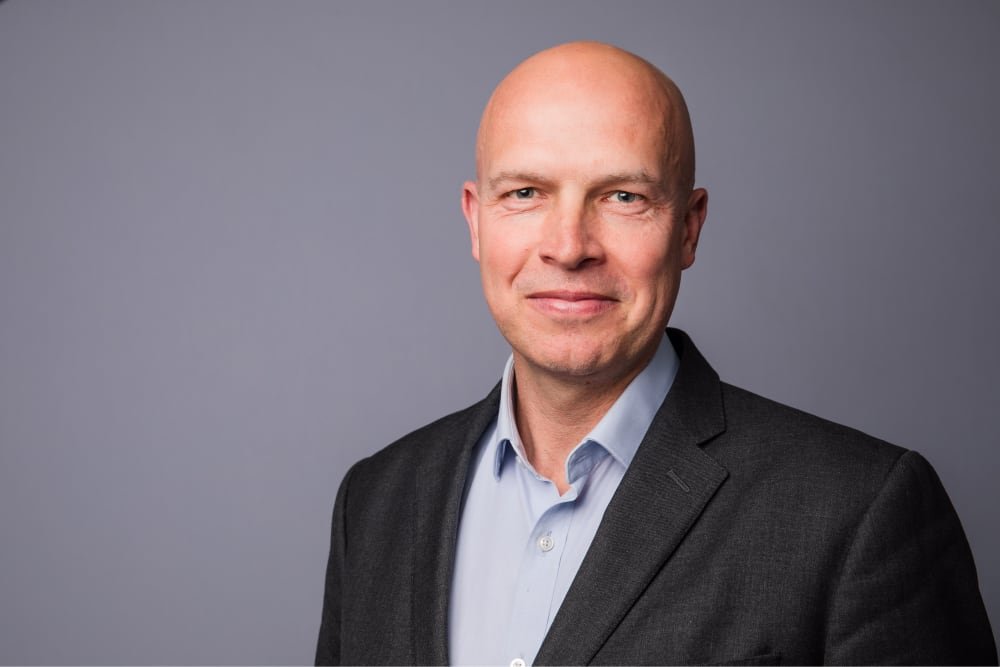
Kevin Davidson
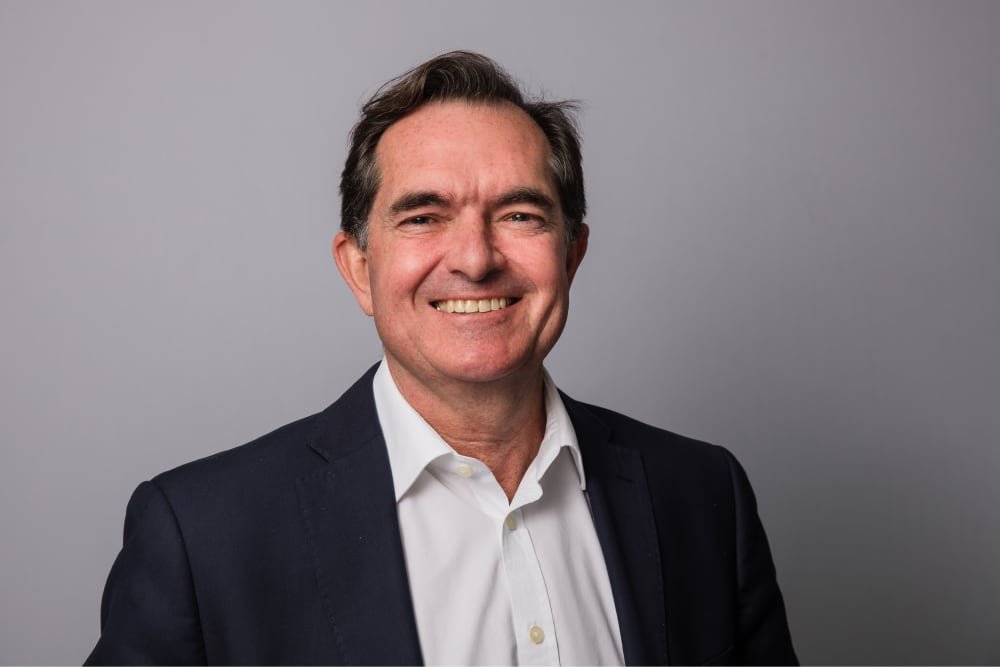
Peter Searle

Mehr Malik

Stephen Wardell

Annette Nabavi
Remuneration Committee
The Remuneration Committee is made up of Annette Nabavi as Chair and Stephen Wardell, both non-executive directors. The Chair of the Board is a regular attendee and the Company’s remuneration advisor is invited to meetings when appropriate. The Committee annually reviews the level of executive directors’ and other senior employee’s remuneration packages to ensure that shareholder and management interests are aligned. No individual director participates when his own remuneration is under consideration.

Annette Nabavi
Audit Committee
The Audit Committee consists of Stephen Wardell as Chair and Annette Nabavi, both non-executive directors. The CFO and Head of Finance are regular attendees to the Committee, and the Company’s external auditors are invited to meetings when required. The committee provides oversight and governance to the Group’s financial reports, its internal controls and processes in place, its risk management systems and the appointment of and relationship with the external auditor.
Stephen Wardell
Professional Advisers
Nominated Adviser and Broker
- Cavendish Capital Markets Limited
- 1 Bartholomew Close
- London, EC1A 7BL
- United Kingdom
Auditors
- Cooper Parry Group Limited
- 5th Floor Broadwalk House
- 5 Appold St
- Broadgate
- London
- EC2A 2AG
Registrars
- MUFG Corporate Markets
- 10th Floor
- Central Square
- 29 Wellington Street
- Leeds
- LS1 4DL
Company's Lawyers
- Shepherd and Wedderburn LLP
- 9 Haymarket Yard
- Edinburgh
- EH3 8FY
Corporate Governance
The Board has established an Audit Committee and a Remuneration Committee with formally delegated duties and responsibilities.
As an AIM-listed Company, Norman Broadbent PLC (the “Company” or “Group”) intends to adopt as far as possible the principles of the Quoted Companies Alliance Corporate Governance Code (the “QCA Code”). The QCA Code identifies ten principles to be followed for companies to deliver growth in long term shareholder value, encompassing and efficient, effective, and dynamic management framework accompanied by good communication to promote confidence and trust.
The section below sets out the ways in which the Company applies the ten principles of the QCA Code in support of its medium to long-term success. This was last updated in May 2026.
The strategy and business operations of the Group are set out in the Strategic Report of the Group’s 2025 Annual Report.
The Group’s strategy and business model are developed by the Chief Executive Officer and senior management team and approved by the Board. The management team, led by the Chief Executive Officer, is responsible for implementing the strategy and managing the business at an operational level.
The Group’s overall strategic objective is to continue to grow the executive search business whilst also further developing a complementary portfolio of services, to strengthen client relationships, broaden client engagement and diversify revenue streams over time.
In executing the Group’s strategy and operational plans, management will typically confront a range of day-to-day challenges associated with these key risks and uncertainties, and will seek to deploy the identified mitigation steps to manage these risks as they manifest themselves.
People and culture remain fundamental to the Group. Our values guide behaviour across the organisation and underpin how we operate with colleagues, clients and wider stakeholders. The Board recognises that a strong, consistent culture is essential to delivering sustainable performance and maintaining trust.
The Board receives regular updates from management on engagement, retention and employee sentiment, and actively supports initiatives designed to maintain an inclusive, collaborative and high-trust environment. The Board believes that maintaining a clearly articulated framework of behaviours and expectations supports accountability and enables employees to operate with confidence and integrity. The Group maintains a comprehensive Employee Handbook aligned to its ethical values.
Details of the ways in which the Group has promoted a positive corporate culture within the last financial year are included within the Annual Report.
The Group seeks to maintain a regular dialogue with both existing and potential new shareholders to communicate the Group’s strategy and progress and to understand the needs and expectations of shareholders.
The Chief Executive and the Chief Financial Officer offer to meet with all significant shareholders after the release of the half year and full year results. The Investor Meet Company platform is used to host presentations and Q&A sessions following the release of these results, which are available to all shareholders.
The Chairman of the Board is also active in his engagement with shareholders, regularly soliciting feedback from key institutional shareholders.
All shareholders are encouraged to attend the Annual General Meeting where they can meet and question the Directors and express ideas or concerns.
In addition, shareholder communication is answered, where possible or appropriate, by Directors or the Company’s broker, Cavendish Capital Markets Limited.
The Company welcomes shareholder contact at any time and communications should be sent to the Company Secretary (email: co-sec@oneadvisory.london).
The Board recognises that the Group’s continued growth and long-term success is largely reliant on its relations with its stakeholders, both internal (employees and shareholders) and external (customers, suppliers, agents, business partners and advisors etc). The Board reviews its key stakeholders as part of its annual agenda cycle, identifies those relationships that it is reliant on, and takes stock of the requirements of each stakeholder and how these are met.
Responsibility for stakeholder engagement is diffused throughout the organisation. The Board has ultimate responsibility for ensuring that the Company is meeting the needs of its stakeholders.
As a professional service-based business, employees are a key factor in delivering successful growth and as such the Company fosters an open and friendly dialogue throughout its workforce. The Company endeavours to keep its workforce informed on progress and holds regular meetings both formal and informal via social events.
The Company works closely with its advisors to ensure it operates in conformity of its listing regulations as well as the social, legal, and cultural requirements where it operates. The Company’s customers and prospective customers are of course crucial to the growth and long-term success of the Company and as such the Company is a ‘sales-led’ business with a high priority given to customer service and interaction.
The Company takes due account of any impact that its activities may have on the environment and seeks to minimise this impact wherever possible. Through the various procedures and systems it operates, the Group ensures full compliance with health and safety and environmental legislation relevant to its activities.
The Company is a signatory to the Chapter Zero Search Firm Charter and the Voluntary Code of Conduct for Executive Search Firms. The Company also works with charity partners chosen by employee vote. Full details of how the Company has fulfilled its stakeholder and social responsibilities are available within the Annual Report.
The Board is responsible for the systems of risk management and internal control and for reviewing their effectiveness. The internal controls are designed to manage rather than eliminate risk and provide reasonable but not absolute assurance against material misstatement or loss. Through the activities of the Audit Committee, the effectiveness of these internal controls is reviewed annually.
A summary of the principal risks and uncertainties facing the Group, as well as mitigating actions, are set out on in the Group’s Annual Report.
A comprehensive budgeting process is completed once a year and is reviewed and approved by the Board. The Group’s results, compared with the budget, are reported to the Board monthly.
The Group maintains appropriate insurance cover in respect of actions taken against the Directors because of their roles, as well as against material loss or claims against the Group. The insured values and type of cover are comprehensively reviewed on a periodic basis.
The senior management team meet at least twice monthly to consider new risks and opportunities presented to the Group, making recommendations to the Board and/or Audit Committee as appropriate.
Norman Broadbent’s Board currently comprises three Non-Executive Directors and two Executive Directors.
All the Directors are subject to election by shareholders at the first Annual General Meeting after their appointment to the Board and will continue to seek re-election at least once every three years.
Directors’ biographies are available here: https://www.normanbroadbent.com/team/. The Board contains a diverse array of skills and perspectives whilst retaining a strong core of knowledge of the Executive Search industry.
The Board is responsible to the shareholders for the proper management of the Group and meets at least six times a year to set the overall direction and strategy of the Group, to review operational and financial performance and to advise on management appointments. All key operational and investment decisions are subject to Board approval.
All directors can allocate sufficient time to the Company to discharge their duties. The Board reviews the Company’s Register of Directors’ Interests at each meeting ensuring that this remains under review.
The Board has overall responsibility for promoting the success of the Group. The Executive Directors have day-to-day responsibility for the operational management of the Group’s activities. The Non-Executive Directors are responsible for bringing independent and objective judgment to Board decisions.
There is a clear separation of the roles of Chief Executive Officer and Non-Executive Chairman.
The Chairman is responsible for leadership of the Board and ensuring its effectiveness on all aspects of its role. The Chairman with the assistance of the Chief Executive Officer sets the Board’s agenda and ensures that adequate time is available for discussion of all agenda items, in particular strategic issues. The Chairman promotes a culture of openness and debate by facilitating the effective contribution of
Non-Executive Directors and ensuring constructive relations between Executive and Non-Executive Directors.
The Chief Executive Officer (CEO) is responsible for running the business and implementing the decisions and policies of the Board. The CEO is also responsible for ensuring the Company’s communication with shareholders is timely, informative, and accurate with due regard to commercial sensitivity and regulatory requirements.
The Chief Financial Officer (CFO) is responsible for the Company’s finances and is also responsible for the operations and technical requirements of the Company. The role of Company Secretary is undertaken separately to that of the CFO.
The Non-Executive Directors are appointed not only to provide independent oversight and constructive challenge to the Executive Directors but also chosen to provide strategic advice and guidance.
There is a formal, rigorous, and transparent procedure for the appointment of new directors to the Board. The search for Board candidates is conducted, and appointments made, on merit, against objective criteria and with due regard for the benefits of diversity on the Board.
The Board has established an Audit Committee and Remuneration Committee with formally delegated duties and responsibilities.
The Audit Committee normally meets at least twice a year and has responsibility for, amongst other things, reviewing the annual report and accounts and interim statements involving, where appropriate, the external auditors. The Committee also approves external auditors’ fees and ensures the auditors’ independence as well as focusing on compliance with legal requirements and accounting standards. It is also responsible for ensuring that an effective system of internal control is maintained. The ultimate responsibility for reviewing and approving the annual financial statements and interim statements remains with the Board.
The Remuneration Committee, which meets as required, but at least once a year, has responsibility for making recommendations to the Board on the compensation of senior executives and determining, within agreed terms of reference, the specific remuneration packages for each of the Executive Directors. It also supervises the Company’s share incentive schemes and sets performance conditions for share options granted under the schemes.
The Board regularly reviews the composition of the Board to ensure that it has the necessary breadth and depth of skills to support the ongoing development of the Group.
The Chairman, in conjunction with the Company Secretary, ensures that the Directors’ knowledge is kept up to date on key issues and developments pertaining to the Group, its operational environment and to the Directors’ responsibilities as members of the Board. During the year, Directors received updates from the Company Secretary and various external advisers on several corporate governance matters.
Directors’ service contracts or appointment letters make provision for a Director to seek personal advice in furtherance of his or her duties and responsibilities.
Further to the Board Evaluation conducted within the year, the Board has implemented a bi-monthly meeting pattern supported by informal Board calls in the intervening months. This change is intended to enable the Board to focus its attention on more strategic matters when it meets formally.
The Board review process is led by the Company Secretary on an annual basis. The Company will conduct externally facilitated reviews on a tri-yearly basis.
In 2025, the Board’s effectiveness review was conducted via self-assessment, with the Directors providing answers to both Likert scale and long form questions which were then analysed by the Company Secretary. The review covered the performance of the Board and its Committees, considering:
- Skills Structure and People
- Board Operations
- Board Information, Coverage, Papers and Format
- Board Effectiveness
- Monitoring and Measurement of Performance
- Sustainable Growth Culture
This was the first Board evaluation undertaken using this revised process. The Board has been active in implementing the recommendations arising from this review and opportunities for improvement identified, which are detailed in the Company’s 2025 Annual Report. This review was not triggered by an in-year event.
Succession planning is led by the Chairman, assisted by the CEO, and considers the skills, experience and capabilities required as the Company develops; both at Board and the senior management level and with regard to the Company’s growth aspirations. This is reviewed at least annually.
The Remuneration Policy aims to attract, motivate and retain high calibre executives by rewarding them with fair and attractive, but not excessive, remuneration packages which support the delivery of business objectives in the long-term. The Policy is set out within the Company’s Annual Report.
Results of shareholder meetings and details of votes cast are publicly announced through the regulatory system and made available through the News and Alerts section of the Company’s website. Suitable explanations of any actions undertaken because of any significant votes against resolutions are also provided where required; however, the Company is pleased to note overwhelming shareholder support for all resolutions proposed at recent General and Annual General Meetings.
The Board is committed to maintaining good communication and having constructive dialogue with all its stakeholders, including shareholders, providing them with access to information to enable them to come to informed decisions about the Company.
The Investor Relations section of the Company’s website provides all required regulatory information as well as additional information shareholders may find helpful including: Share Services, information on Board Members, Advisers and Significant Shareholdings, a historical list of the Company’s Announcements, Corporate Governance information, the Company’s publications including historic Annual Reports and Notices of Annual General Meetings, together with Share Price information and interactive Charting facilities to assist shareholders analyse performance.
Information on the work of the various Board Committees and other relevant information are included in the Company’s Annual Report and can be found here: https://www.normanbroadbent.com/investor-relations/
Where the Company has chosen not to disclose against a principle, or has decided to explain rather than comply with the code, it is included within the text of this statement or in the Annual Report as appropriate.